

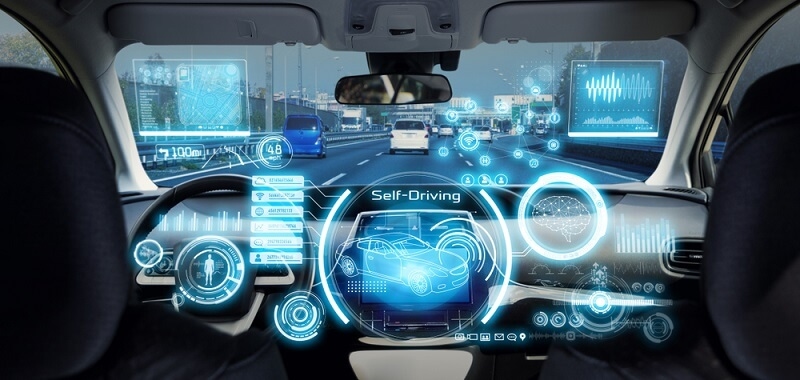
AI in automotive industry refers to the use of smart systems that help vehicles observe, learn, and react during operation. These systems improve safety, control, and overall driving support. This blog explains how modern driving has changed, how vehicles are built today, and how automation is shaping road movement properly.
Must Read: Biggest 2025 EV Recalls Every Electric Car Owner Must Know
Driving today feels more guided than it did in the past. Vehicles now use smart systems that quietly support the driver during daily travel. These systems can observe the road to measure the movement in order to adjust the vehicle's behavior without the constant effort of the driver.
The impact of AI in automotive industry is now clearly visible because of the daily driving routines. Latest vehicles can follow now lanes with better accuracy and adjust speed smoothly based on the flow of the road. This reduces the pressure of constant steering correction and repeated braking in heavy traffic.
Drivers also notice these changes during long trips. Smart systems take over small but tiring tasks such as steady speed control and lane balance. This allows drivers to stay alert without feeling worn out too quickly.
Another clear change is how vehicles respond to road conditions. Vehicles now sense nearby movement and react automatically. This helps avoid sudden braking and keeps travel steady.
Driving no longer depends only on reaction time. The vehicle now supports awareness by processing road data in real time. This support makes everyday driving feel more stable and controlled.
Autonomous driving tech has become one of the most noticeable parts of modern vehicles. These systems help handle steering support, speed control, and obstacle sensing with limited driver input.
Autonomous driving tech works through constant road scanning. Sensors and cameras observe lane lines, nearby vehicles, and moving objects. The system then helps guide the vehicle through these conditions without sudden movements.
Traffic-heavy areas show the real value of autonomous driving tech. Vehicles adjust speed based on traffic flow rather than reacting suddenly. This keeps the movement smooth and prevents quick stop situations.
Drivers also experience less fatigue during longer journeys. Autonomous driving tech handles routine control tasks while the driver remains focused on overall road awareness. This reduces mental pressure without lowering attention.
As road conditions change, these systems adjust automatically. Vehicles learn traffic patterns and driving behavior through repeated use. This makes every journey feel steadier than before.
Autonomous driving tech does not replace the driver. It supports the driver’s decisions and improves response speed. This shared control improves daily travel confidence.
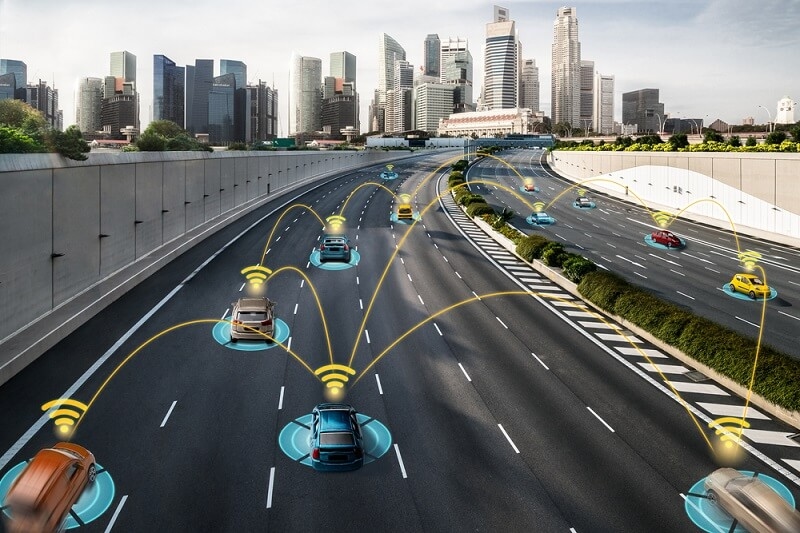
Automotive automation has reduced the need for consistent manual control during driving a lot. It can allow vehicles to handle routine movements while the driver stays focused on the surroundings.
Automotive automation helps vehicles stay centered within road lanes using road-detection systems. The steering adjusts gently if the vehicle drifts. This reduces repeated hand correction and improves straight-line stability, especially on highways.
With automotive automation, vehicles adjust speed to match surrounding traffic. The system reduces sudden braking and unnecessary acceleration. This creates smoother traffic flow and prevents sharp driving movements during congestion.
Automotive automation supports drivers during parking and low-speed movement. It detects nearby objects and guides alignment into open spaces. This reduces parking errors and lowers the risk of minor impacts in tight locations.
Automotive automation makes daily driving more relaxed and controlled. It handles routine movements quietly while allowing the driver to stay fully involved.
Traffic safety depends on fast reaction and steady movement. Autonomous driving tech is supported by constantly watching road conditions.
Autonomous driving tech identifies obstacles quickly using visual sensing systems. It detects sudden movement, blocked lanes, and unexpected road changes. This fast detection allows the vehicle to respond before danger grows.
Autonomous driving tech controls speed smoothly in slow traffic. It avoids sharp braking and sudden forward jumps. This reduces chain reaction accidents that often occur during heavy congestion.
Autonomous driving tech stays active even when the driver feels tired. The system maintains proper movement alignment and monitors road patterns. This reduces the impact of momentary distraction.
Autonomous driving tech strengthens road safety through steady monitoring. It protects drivers while keeping human control fully active.
You can check the list below to find out the top 3 AI cars 2025:
This model continues to lead in AI-based driving assistance. It supports lane control, traffic-aware speed control, and automated steering in many road conditions. The system improves through software updates and focuses on safer daily driving support.
This car offers advanced driver support, collision alerts, and smart cruise control. It fits drivers who want AI support without full automation.
This model is built around AI-based navigation, lane control, and road sensing. It focuses on near-autonomous driving in supported regions.
The growing role of automotive automation in traffic flow management has been explained below:
Automated systems help vehicles respond more accurately at traffic signals and crossings. Vehicles slow down and move forward in a more organized manner. This reduces confusion and prevents unnecessary congestion at major junctions.
When many vehicles follow automated movement patterns, traffic becomes more predictable. Sudden slowdowns reduce over time. This helps keep urban traffic flowing with fewer long delays and stop-start movement.
Automotive automation allows vehicles to move with better spacing and timing. This improves coordination across lanes and directions. Drivers experience fewer sudden lane changes and less pressure during dense traffic conditions.
Top Pick: Unveiling the Future of Driving at the 2025 Auto Show Events
AI in automotive industry has reshaped driving through safety support, steady control, and comfort systems. With the growth of autonomous driving tech, automotive automation, and AI cars 2025, vehicles now guide drivers quietly and smoothly. The result is calmer travel, safer movement, and stronger road confidence.
It improves vehicle control, safety systems, comfort features, and production support.
It is used for steering support, speed control, road sensing, and hazard detection.
They focus on learning driver behavior, improving comfort, and supporting daily safety.
This content was created by AI